
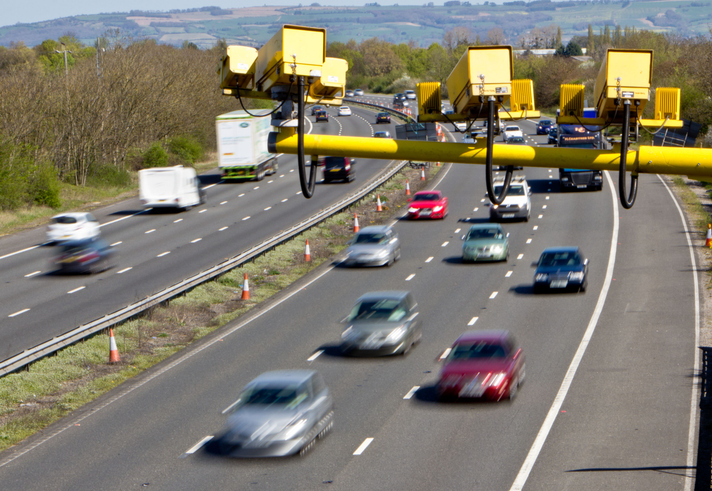
Thousands of motorists are using illegal ‘ghost’ number plates to avoid being caught by road cameras, a new investigation has revealed. But with new technology exposing the scale of the problem, drivers using these plates could soon find themselves in trouble.
New camera technology being trialled on UK roads has uncovered thousands of vehicles displaying illegal number plates designed to avoid detection.
According to a BBC Panorama investigation, specialist cameras being tested in the south-east of England have identified large numbers of so-called ‘ghost plates’, which can appear completely normal to the human eye but are difficult for traditional Automatic Number Plate Recognition (ANPR) cameras to read.
The findings have raised concerns about road safety, organised crime and the ease with which illegal number plates can be purchased.
So, what exactly are ghost plates, why are they a problem, and what could they mean for everyday motorists? Mustard.co.uk takes a closer look.
What are ghost number plates?
Ghost plates are vehicle registration plates that have been specially designed or altered to make them difficult for ANPR cameras to recognise.
They typically use reflective materials or specialist coatings that interfere with the infrared technology used by many roadside cameras.
To someone looking at the vehicle, the registration might appear perfectly normal. However, when an ANPR camera attempts to read it, some or all of the characters may be obscured.
This can allow drivers to avoid detection by cameras used for:
- Speed enforcement
- Police vehicle identification
- Congestion and clean air zone charges
- Parking and traffic restrictions
- Other automatic road enforcement systems
It’s important to remember that driving with a ghost number plate is illegal, even if the registration itself belongs to the vehicle.
New cameras detect thousands of illegal plates every day
The scale of the problem has become clearer following trials of new camera technology developed by ANPR specialist MAV Systems.
Unlike conventional ANPR cameras, the new technology is designed to identify number plates that have been altered to avoid detection.
According to a recent BBC investigation, a camera near the Dartford Crossing detected an average of more than 1,000 ghost plates per day over several months.
At another test site near the M25, detections reportedly increased from around 1,000 to almost 2,000 a day. Meanwhile, a camera near Folkestone identified more than 400 a day.
These figures suggest that illegal number plates could be far more widespread than previously thought.
However, the figures represent camera detections rather than confirmed numbers of individual drivers, and they shouldn’t be taken as evidence that every vehicle is deliberately breaking the law.
Why are ghost plates such a concern?
While avoiding a speeding ticket or congestion charge might be the motivation for some drivers, the consequences of illegal number plates can be much more serious.
ANPR cameras play an important role in helping police identify vehicles linked to criminal activity, including stolen cars and vehicles involved in serious offences.
When a number plate can’t be read, it becomes harder for police to track a vehicle or identify those responsible for an incident.
There’s also a wider issue of fairness. While most motorists follow the rules and pay the charges they’re responsible for, those deliberately using illegal plates may be able to avoid enforcement.
And with new technology now making these plates easier to detect, motorists who have relied on them to avoid cameras may find that approach no longer works.
Ghost plates vs cloned plates: what’s the difference?
Although they’re sometimes discussed together, ghost plates and cloned plates aren’t the same thing.
Ghost plates use materials or modifications to make a vehicle’s genuine registration difficult for cameras to read.
Cloned plates display a registration number that belongs to another vehicle, usually one with a similar make, model or colour.
Both can be used to avoid detection, but cloned plates create another problem: innocent motorists can find themselves receiving fines for offences they haven’t committed.
For example, you could receive a parking fine or speeding notice for a location you’ve never visited because someone else is driving around using your registration number.
If this happens, it’s important to act quickly rather than simply ignoring the notice.
What happens if your number plate has been cloned?
Discovering that another vehicle is using your registration can be worrying, particularly if you’re receiving fines or penalty notices for journeys you haven’t made.
If you suspect your car has been cloned, there are several steps you should take:
- Report it to the police. Explain why you believe your registration has been copied and keep a record of the crime reference number.
- Contact the organisation that issued the fine. Explain that you believe your vehicle has been cloned and provide any supporting evidence.
- Gather evidence. Photographs of your vehicle, including distinguishing features, and proof of your whereabouts may help establish that you weren’t responsible.
- Contact the DVLA. Let them know you suspect your registration is being used fraudulently.
- Speak to your insurer if necessary. Particularly if the cloning is connected to an incident or claim involving your registration.
It’s also worth checking your number plates regularly for signs of theft or tampering.
What are the penalties for illegal number plates?
UK number plates must meet specific legal requirements covering their appearance, spacing, lettering and materials.
Drivers who use plates that don’t comply with the rules can face a fine of up to £1,000.
The rules apply whether a plate has been deliberately altered to avoid cameras or simply doesn’t meet the required standards.
The Government has also been considering tougher penalties for illegal number plates, including penalty points and vehicle seizure.
However, these proposals should not be confused with the rules currently in force. Any further changes would need to be formally introduced.
Could illegal number plates affect your car insurance?
Potentially, yes.
Your vehicle’s registration is one of the details insurers use to identify your car and check information about it.
As previously discussed in our guide to registration plates and car insurance, it’s important to keep your insurer informed if your vehicle’s registration number changes.
If you knowingly use an illegal number plate, this could cause problems with your insurer, particularly if the modification is connected to an offence or you haven’t provided accurate information about your vehicle.
Depending on the circumstances and policy terms, it could also complicate a claim.
However, having an illegal number plate doesn’t automatically mean your insurance is invalid. The outcome will depend on the circumstances, your policy and the relevant insurance rules.
If you’re buying replacement plates or you’re unsure whether your existing plates comply with the law, it’s best to check before driving.
And if your registration has been cloned without your knowledge, that doesn’t mean you’ve done anything wrong or that your insurance is automatically affected.
How can you make sure your number plates are legal?
Most motorists won’t need to worry about ghost plates, particularly if their car has standard number plates supplied by a reputable provider.
However, if you’ve bought replacement or customised plates, it’s worth making sure they meet the legal requirements.
For vehicles registered in Great Britain, number plates must generally:
- Display black characters on a white background at the front and a yellow background at the rear.
- Use the correct font, character size and spacing.
- Be made from reflective material that meets the required standards.
- Not have a background pattern.
- Display the required supplier and British Standard markings, where applicable.
If you’re replacing your plates, use a registered number plate supplier and be prepared to provide proof of identity and entitlement to the registration.
Government announces crackdown on illegal number plates
The Government has announced plans to strengthen enforcement against illegal number plates, including new resources to help police forces share intelligence and make better use of technology.
The Department for Transport is funding a National Roads Policing Coordination Centre to support efforts to tackle number plate offences and wider organised crime.
The move follows growing concerns that existing camera systems and number plate regulations aren’t keeping pace with the methods being used to avoid detection.
For motorists, this could mean more effective roadside checks and an increased likelihood of illegally modified plates being identified.
Further changes to number plate standards and penalties may also follow, although the details have yet to be finalised.
What does this mean for everyday drivers?
For most drivers, the message is straightforward: make sure your number plates are legal, clearly visible and purchased from a reputable supplier.
But the rise of ghost and cloned plates is a reminder that vehicle registration fraud doesn’t just affect those deliberately breaking the rules. Innocent motorists can also be caught up in the consequences.
As new camera technology becomes more widely used, it could become increasingly difficult for drivers using illegal plates to go undetected.
And whether you’re buying a new car, replacing your number plates or reviewing your insurance, keeping your vehicle details accurate and up to date is always a good idea.
Looking to review your car insurance?
At mustard.co.uk, we make comparing car insurance straightforward. By completing one simple online form, you can compare quotes from a panel of insurers and find cover that suits your needs and budget.
Compare car insurance quotes with mustard.co.uk