
This section contains affiliate links, we may earn a commission if you choose to use these links.
Easter can be so much fun – but for pet owners, it’s also one of the busiest times of year for emergency vet visits. From chocolate poisoning to toxic spring flowers and swallowed decorations, the long weekend brings a surprising number of hazards for dogs and cats. No fear, most Easter accidents are entirely preventable, and a few small adjustments can save you both stress and an unexpected bill.
It’s also a good time to check you’ve got the right pet insurance in place. Comparing pet policies can help ensure you’re covered for common risks and could save you money if you ever need to make a claim.
Below, we have outlined what to watch out for…
What happens if dogs eat chocolate?
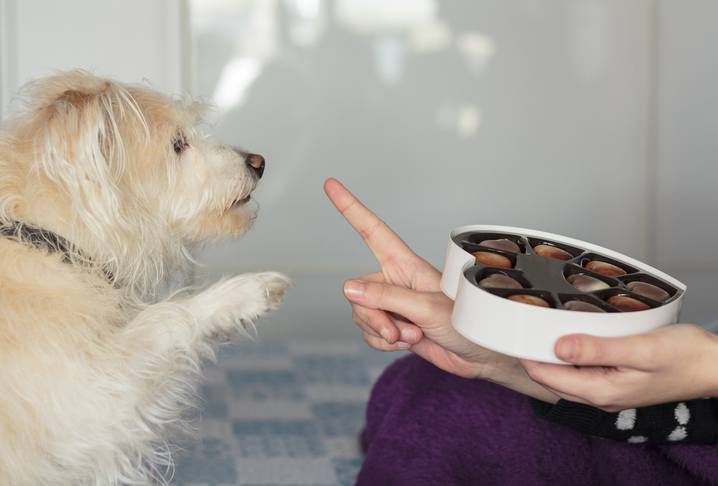
It’s well known, but it’s still the most common cause of Easter vet emergencies.
Chocolate contains theobromine, which dogs (and cats) can’t process properly. Dark chocolate and cocoa powder are particularly dangerous, but even milk chocolate can cause symptoms – especially in smaller breeds.
Signs your pet has eaten chocolate:
- Vomiting
- Diarrhoea
- Restlessness
- Rapid heart rate
- Tremors
Even wrappers can cause intestinal blockages.
How to prevent your dog from eating chocolate:
- Store Easter eggs in high cupboards, not on tables or kitchen counters.
- Dispose of foil and packaging immediately in a secured bin.
- Remind children not to ‘share’ their treats with your furry friends.
If you’d like your dog to join in safely, dog-friendly Easter eggs are a good idea. These are made from dog-safe ingredients like carob and remove the risk entirely.
Are hot cross buns dangerous for dogs?
Hot cross buns might feel harmless compared to chocolate eggs, but they’re actually one of the most dangerous Easter foods for dogs. That’s because they contain raisins or sultanas – and dried grapes are highly toxic to dogs, even in small amounts.
It’s still not fully understood why grapes and raisins cause poisoning, but they can lead to sudden kidney failure.
Signs your dog may have ingested raisins may include the following:
- Vomiting
- Lethargy
- Diarrhoea
- Loss of appetite
If you’re serving hot cross buns over the Easter weekend, keep them well out of reach. Even a few dropped raisins can be risky for a curious pup.
Which spring bouquets are dangerous for pets?

Lilies are extremely toxic to cats – even small amounts of pollen can cause kidney failure. Vase water can also be dangerous.
Other spring flowers to keep away from pets include:
- Daffodils (especially bulbs)
- Tulips
- Hyacinths
Dogs are more likely to dig up or chew bulbs in gardens and pots.
If you’re decorating:
- Avoid lilies entirely if you have cats.
- Place bouquets well out of reach.
- Vacuum fallen pollen promptly.
- Supervise pets in newly planted gardens.
Keeping dogs and cats safe around Easter decorations
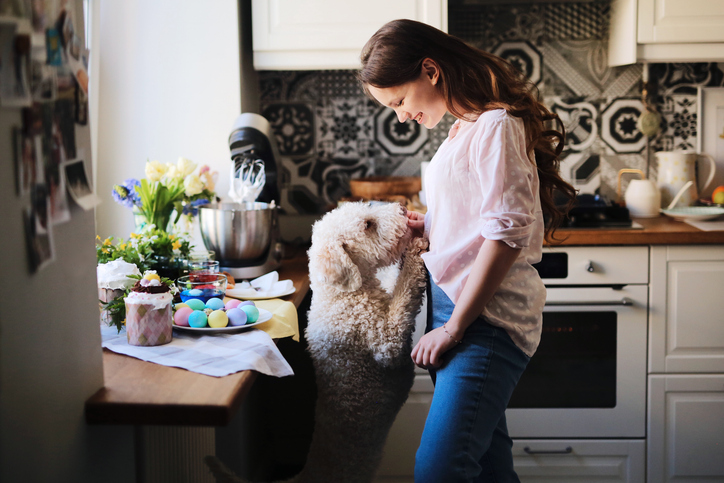
Foil, plastic grass, ribbons and small decorative items may look harmless, but they’re a common cause of internal blockages. As you can probably imagine, cats are drawn to dangling ribbon. Dogs often chew plastic grass or swallow small toys whole.
Here are some dog-friendly Easter decoration swaps:
- Choose paper-based decorations.
- Store baskets up high.
- Make sure your bins are secure.
How to keep pets safe during Easter roast lunch
Roast dinners, though delicious, bring their own hazards.
- Cooked bones (which splinter easily)
- Fat trimmings
- Alcohol within reach
- Skewers and cocktail sticks
With guests coming and going, doors are also more likely to be left open – increasing escape risk. If your pet is prone to counter-surfing or darting outside, a temporary pressure-fit pet gate can be a simple preventative measure.
Why Easter Egg hunts can be risky for dogs
Easter egg hunts are so much fun for many families – but they can quickly become dangerous if dogs join the search party. Chocolate eggs hidden in gardens or around the house are easy for dogs to sniff out, especially foil-wrapped mini eggs. The foil itself can also cause digestive blockages if swallowed.
Before you start hiding eggs, count exactly how many you’re putting out. Once the hunt is over, count them back in to make sure every single one has been found. It’s also a good idea to keep dogs indoors during the hunt or distract them elsewhere while the kids search. A little planning helps keep the fun stress-free for everyone.
What to do if your dog eats something they shouldn’t have
If you suspect your dog has eaten chocolate, raisins, lilies or any Easter decorations, don’t wait for symptoms to appear. Contact your vet immediately and explain exactly what your dog has eaten, how much and roughly when. If possible, keep the packaging to hand so you can give accurate information about ingredients (i.e., cocoa content).
You can also call the Animal PoisonLine for urgent advice – but veterinary treatment is often needed quickly in cases of chocolate or raisin ingestion.
Do not try to make your dog sick at home unless a vet specifically tells you to.
Acting quickly can make a huge difference to outcomes.
Why Easter pet emergencies can be so expensive
Emergency Easter vet visits aren’t just stressful; they’re expensive.
Treatment for chocolate poisoning can run into the hundreds of pounds. Surgery to remove a blockage can climb much higher. Toxic flower ingestion in cats can require intensive care. This is why Easter often highlights the value of comprehensive pet insurance.
Policies that cover accidental poisoning, foreign body ingestion and emergency treatment can make a significant financial difference – particularly during holiday periods when out-of-hours fees will probably apply. Some questions to ask yourself:
Does your policy cover toxic ingestion? Are emergency consultations included?
Knowing where you stand before something happens is always better.
You can compare some of the UK’s top pet insurance providers via mustard.co.uk to ensure you find the right insurance for you and your furry friend.
How to celebrate Easter with your dog safely
You don’t have to exclude your pet from Easter altogether. Safer alternatives include dog-safe Easter eggs (mentioned earlier), durable chew toys, and enrichment puzzles.
Easter emergencies are common but rarely unavoidable. Store chocolate properly. Skip toxic flowers. Keep decorations secure. Provide safe alternatives. And know where your insurance stands. A little preparation means everyone, little paws included, can enjoy the long weekend without a trip to the emergency vet.
Mustard.co.uk is an Introducer Appointed Representative of Seopa Ltd which is authorised and regulated by the Financial Conduct Authority (FCA FRN: 313860)