
This section contains affiliate links, we may earn a commission if you choose to use these links
If you’re due to travel through the Middle East, South West Asia and North Africa (SWANA), you may be reconsidering your plans. Escalating tensions in parts of the region, temporary airspace closures and updated government advisories have prompted many travellers to ask a simple question: should I still go?
Right now, the safest answer for many people is this: unless your travel is essential, it may be wise to delay. Here’s why – and what to consider before making your decision…
What’s changed?
Several governments have updated their travel advice in response to rising geopolitical tensions, military activity and the risk of sudden escalation. In some cases, airspace has closed temporarily, and flights have been diverted or delayed as a precaution.
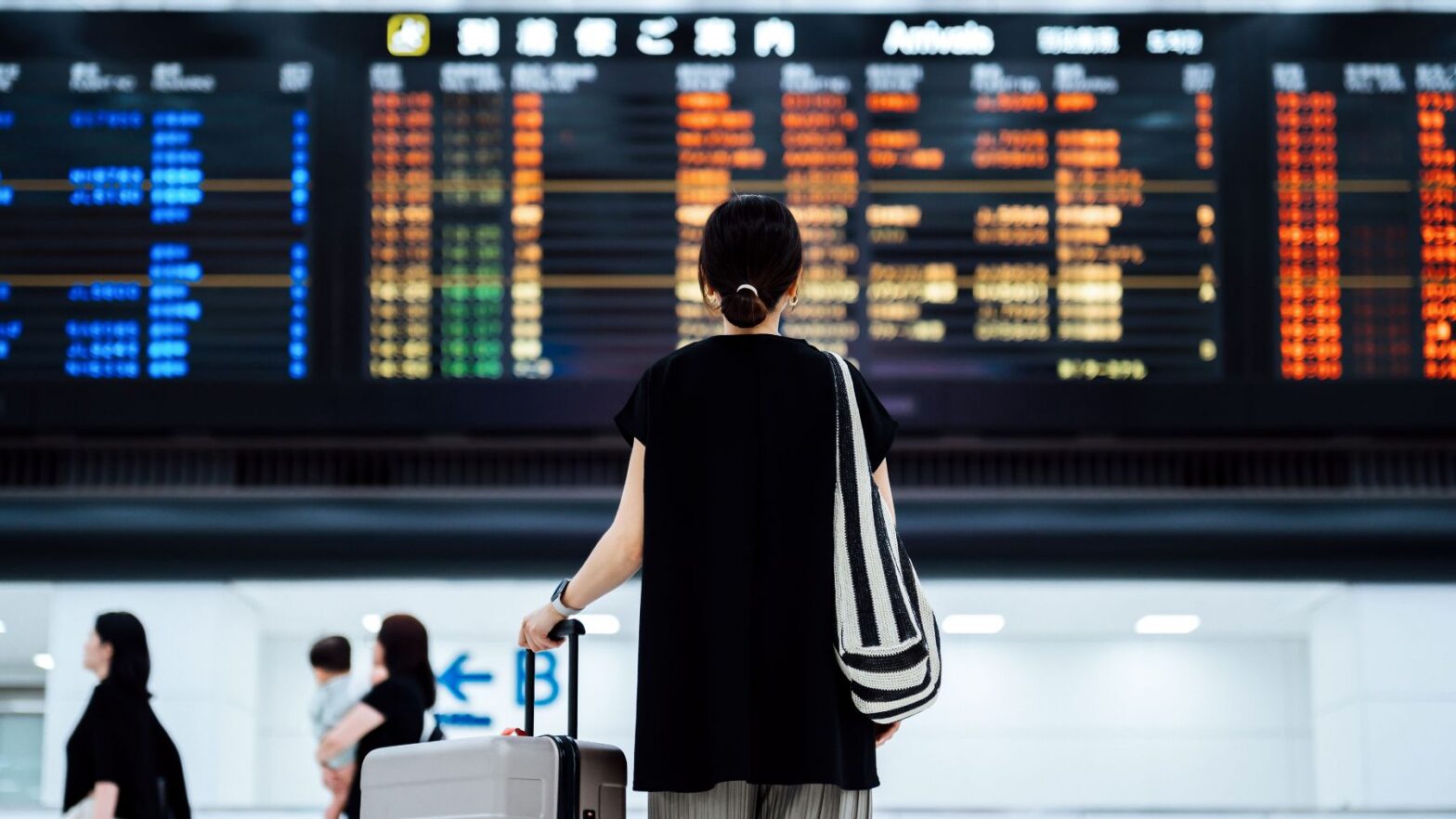
The BBC reports that disruptions have affected regional aviation routes at short notice, underlining how quickly a situation like this can evolve. When airspace restrictions are imposed, airlines may have to reroute flights – but this can mean longer journeys, missed connections or sudden cancellations. You need to be prepared.
The key issue isn’t that every destination in the Middle East and SWANA is unsafe. It’s that the regional situation is currently tricky, and instability in one country can have knock-on effects across flight paths and transport networks. So, this is something worth thinking about.
What about Dubai and Abu Dhabi?
As the UAE sits within a region currently experiencing heightened tension (i.e. Iran’s conflict with the U.S.), there has been disruption to travel in Dubai and Abu Dhabi. While everyday life in Dubai and Abu Dhabi continues largely as normal, flights (in and out of the country) are very much affected by the issues happening in the Middle East right now.
Why “wait and see” may be sensible…
Travellers should make decisions based on precise government guidance rather than headlines. The FCDO in the UK currently advises against all non-essential travel to parts of the Middle East. There’s also advice for travellers heading to regions in surrounding areas, too.
These advisories are considered and updated carefully; they reflect risk assessments that include security, diplomatic intelligence and travel safety.
Even where no outright ban exists, consider the following:
- Situations can change (and escalate) within hours.
- Airspace closures may happen with VERY little notice.
- Some insurance policies become invalid if you travel against official advice.
If your trip is a short holiday or optional stopover, postponing may be the more cautious choice. The SWANA situation could escalate out of nowhere.
If you do need to travel
For those travelling for work, family emergencies or unavoidable reasons:
- Check your government’s (and local) travel advice daily in the lead-up to departure.
- Speak to your airline about their flexibility policy in case routes change.
- Review your travel insurance carefully – check for regional exclusions.
- Register with your embassy where possible, which will allow officials to locate you and provide urgent travel advisories and evacuation if things get really unsafe.
- Have contingency funds and plans in place.
Why travel insurance matters right now
When travel disruption becomes more likely, having the right travel insurance in place is even more important. Policies can help protect you financially if something unexpected happens before or during your trip.
Depending on the policy you choose, travel insurance may cover things like cancelled flights, medical emergencies abroad, lost luggage or delays caused by disruption. In a region where routes can change suddenly or travel advisories may be updated quickly, having that protection in place can make a stressful situation easier to manage.
It’s also worth remembering that some insurers may limit or exclude cover if you travel to destinations where official government advice warns against travel. That’s why checking the details of your policy before you leave is essential.
Compare travel insurance before you travel
Not all travel insurance policies offer the same level of cover. Medical limits, cancellation protection, excess amounts and exclusions can vary widely between providers.
Comparing policies before you travel can help you:
- Find cover that protects you against cancellations or disruption
- Check the level of emergency medical cover abroad
- Understand what’s included (and what isn’t) for higher-risk regions
- Choose a policy that suits your trip and your budget
If you’re planning to travel during a period of uncertainty, it’s worth taking a few minutes to compare your options. You can compare policies via mustard.co.uk today to explore and choose available cover to suit your trip before you travel.
The bottom line
Is it automatically unsafe to travel through the Middle East right now?
Not everywhere. But is it a time for caution? Yes. It’s an unsettling and scary time and the conflict is still in its early days so major cities like Dubai and Abu Dhabi are currently affected by travel disruption.
If your travel is essential, plan carefully and stay informed. The bottom line is to check before you travel. If it isn’t, waiting for greater stability may be the wiser choice. Right now, stay informed and don’t risk your safety.
Mustard.co.uk is an Introducer Appointed Representative of Seopa Ltd which is authorised and regulated by the Financial Conduct Authority (FCA FRN: 313860)