
This section contains affiliate links, we may earn a commission if you choose to use these links.
There may be a whisper of spring on the horizon, but there’s no denying that winter is still in full force. While you can prepare for the cold outdoors with all the layers and a good pair of thermals, it can be difficult knowing how to counteract the chill indoors, especially if your home isn’t the best insulated. Sure, you can pile on the layers indoors too, but fortunately, there are other tips and tricks that’ll help keep your whole house and household warm, without begrudgingly turning the heating right up.
Before that, however, it’s worth considering why you have a cold home in the first instance (besides the weather, of course). If you’re a renter, a lot of this will be out of your control but as a homeowner, there may be some necessary steps you can take to help improve the warmth in your home for years to come. Replacing single-glazed windows for double for example can help keep the cold at bay, and replacing old window seals can prevent cold air from getting in. Proper roof insulation and carpeting can also help improve heat retention in the home.
That being said, these tips and tricks can be used by everyone and are a quick, affordable solution to help improve the warmth in your home for the rest of winter, without an eye-watering energy bill.
Prevent draughts
Draughts are one of the biggest causes of a chilly house, especially in older homes. Fortunately, draught excluders are a cheap and easy way to fill in the gaps to keep your heat escaping. You can use draught excluders on your doors and windows to seal any potential gaps and use a chimney balloon or fireplace cover if your home has an open fireplace.
Be mindful of furniture placement
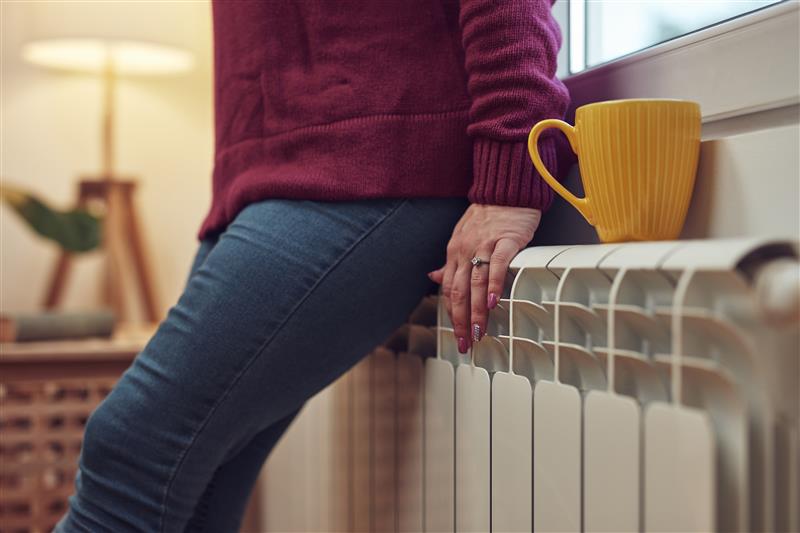
While we’re not here to ruin the feng shui of your home, your furniture placement could be preventing your radiators from working effectively. If you have furniture blocking your radiators, this can act as a buffer that prevents the radiator’s convection process of drawing in cold air and releasing heated air into the room. So, while your furniture and radiator might feel toasty, your room will not. Not to mention, it could damage your furniture over time.
Make sure your furniture is placed at least 20cm away from your radiators.
Invest in thermal curtains or blinds
Properly closing your curtains at night can, in the first instance, help keep the coldest night air from creeping through your windows and into the rest of your home. However, if you want to maximise your curtains’ warming potential, swap your existing pair for blackout curtains or thermal blinds instead.
As the name suggests, blackout curtains are designed to block out external light for a peaceful night’s sleep. However, due to the thickness of the fabric, they have other benefits including improved insulation. Not only will they help to keep your home warmer in the winter, but they’ll also help keep your home cooler in the summer. It’s a win-win.
Alternatively, consider buying thermal liners for your curtains which are cheaper still, and don’t require changing up your room design.
Add layers to your home
Most UK homes are carpeted for a reason, and that’s to provide extra insulation from the floor up. In lieu of that, adding rugs to hard floors not only makes it much kinder on your bare feet, but it adds a temporary layer of insulation.
And you don’t need to stop there – adding throws and cushions can also add extra warmth padding and are an easy way to help you cosy up when you’re lounging or sitting still.
Close internal doors
No one’s leaving their front or patio doors open this season, that’s for sure, but closing internal doors can also help. In general, open-plan layouts are harder to heat evenly and take longer to warm up, with a larger area to reach. By closing internal doors, you can focus on warming smaller areas quicker and more effectively.
Focus on the rooms you actually use and want to keep warm, and if you do use the heating, turn off radiators in rarely used spaces.
Tackle damp air
Speaking from experience, a cold home can also be prone to damp and unfortunately, moist air can not only feel colder but also take long to heat. While it feels counterintuitive when it’s cold outside, the best way to fight it is to properly ventilate kitchens, bathrooms, and any other rooms prone to damp.
If condensation is a problem, you should consider buying a dehumidifier. While you can buy more expensive models to dehumidify entire rooms, there are budget-friendly, non-electrical version that are great for smaller spaces for targeted areas.
Make the most of the sunshine
While a sunny day can be few and far between in the depths of winter, it’s great to make the most of it when it does arrive. Opening curtains and blinds and letting the natural sunlight in provides free heat during the day, and being sure to close again at the end of the day can trap in that warmth and keep it going in your home for longer.
Be smart with your heating
If your home is still frankly freezing and you’ve bit the bullet and decided the central heating is a must, there are smart ways to use it to help keep costs down. As we’ve already mentioned, keeping the space around your radiators free from furniture and only heating necessary rooms is a great first step.
The next best thing is to make use of timers and schedules to match your routine. This will avoid you heating an empty house by mistake (we’ve all accidentally forgotten to turn the heating off when leaving the house) and will ensure you’re getting the warmth when its most needed. Consistent scheduling is also cheaper than blasting the heating on and off as it prevents your house from ever getting cold. When the boiler kicks into action, it just needs to top up the existing heat, rather than working from scratch each time in a fully cold environment.
As a final tip, consider turning your thermostat down slightly from where you normally have it. Even by a barely noticeable 1°C can help reduce your energy bill over the course of winter.
Protecting your home as well as heating it
Keeping your home warm can also help protect it from winter-related damage, such as burst pipes or damp-related issues, which are common causes of home insurance claims during colder months. Making sure you have suitable home insurance in place, and comparing policies to check what’s covered, can provide extra peace of mind alongside these practical steps. Comparison sites such as Mustard.co.uk allow homeowners to compare home insurance policies and view cover options for their property and budget.
Written By Eleanor Weaver
Mustard.co.uk is an Introducer Appointed Representative of Seopa Ltd which is authorised and regulated by the Financial Conduct Authority (FCA FRN: 313860).