
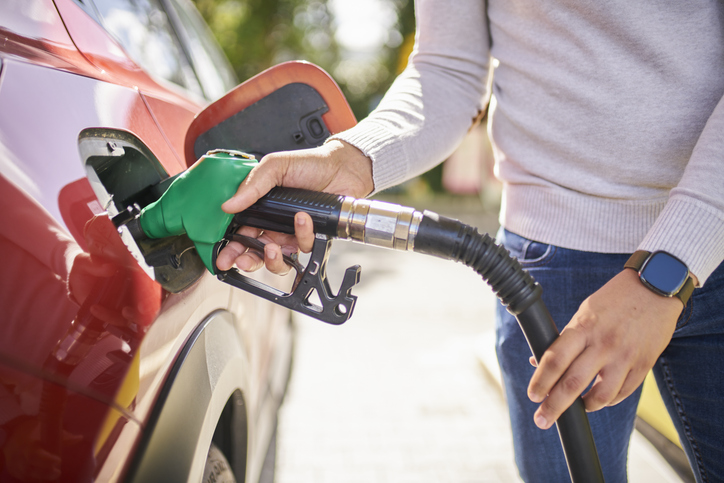
The conflict between the United States and Iran has disrupted the transportation of energy across the Middle East region, including the Strait of Hormuz – a vital shipping route for oil, among other goods. So, how has it affected fuel prices in the UK?
Figures from the RAC show that the average price of unleaded has increased by 6.12p since the start of the conflict, averaging around 138.96p per litre. For diesel, the increase is slightly higher with an average rate of around 155.12p per litre.
This bump in petrol and diesel prices is due to the subsequent increase in the cost of a barrel of Brent crude, the global benchmark for oil prices.
Will fuel become even more expensive?
With crude energy disruptions, there is usually a time delay with pricing at the pumps; shifts in the crude oil industry take around a fortnight to feed into fuel prices. The head of policy at the RAC, Simon Williams believes there’s still a further cost increase to be seen, suggesting “With oil at a sustained $100, petrol could rise towards 150p a litre – a price not seen since June 2024. Diesel could reach almost 180p, which would be a three-year high.”
Where can I buy the cheapest fuel?
Generally speaking, the supermarket forecourts are the places to find the cheapest fuel, and this remains the case in the current national situation.
According to the RAC, Morrisons is currently the petrol leader with an average price of 135.8p per litre, whereas Tesco is leading in the cheapest average price of diesel at 149.3p per litre.
However, this doesn’t necessarily determine the price you’ll find at your local pump from these establishments. These figures are always subject to change, and you may find that pricing is different in your area. Whatever happens, bespoke retailers such as Shell, Texaco and BP tend to be a few pence more expensive.
How is fuel taxed?
The main contributors to fuel taxation are fuel duty and VAT. Currently, this is set at 52.95p per litre along with 20% of VAT. Because pump prices vary, the amount of tax motorists pay varies, too.
As an example, 140p a litre of petrol equates to around 38% of fuel duty (around 53.2p) and 17% of VAT (23.8p). This doesn’t include the wholesale of the fuel, which is an average of around 32%, retailer margin, which differs from brand to brand, the delivery of the fuel and oil company providing it, and the bio content, which add up to little increments that total up the cost per-litre.
Source: RAC Fuel Watch
What could happen if fuel supplies runs low?
If fuel supplies run low then UK drivers could start seeing an impact in a few ways. The government has a pre-existing plan to deal with such a situation, called the National Emergency Plan for Fuel (NEP-F) and it lays out the main priorities and what could happen.
The main goals, among others, are to keep the country moving and to restore any disrupted services as soon as possible. There are emergency powers to restrict fuel supply and demand, though, which could see rationing if that happens. This would involve a cap on how much can be purchased during a visit to a filling station and would give emergency vehicles priority when it comes to refuelling.
How can I save fuel in my vehicle?
There are a number of ways to drive more economically in your vehicle. All of which can help you save fuel and go further between the pumps.
Firstly, ensure that the tyre pressures of your vehicle are topped up at the recommended rate. Driving on even slightly deflated tyres increases rolling resistance which requires more work from the engine, thus more fuel usage. You can find these pressure figures in your vehicle’s handbook.
Another simple one is to lose any unnecessary weight. If you’re carrying heavy items around in the back seat or boot without needing them, take them out. Moving more weight requires more energy from the engine, and that’s not a good recipe for fuel economy.
Crucially, an engine will never work at its best without regular servicing. So, ensure your vehicle is maintained well by meeting scheduled oil and filter changes. Additionally, you can use fuel additives to keep the fuel system clean; this includes injectors, pipes and exhaust components which ensures a smooth-running engine that’s as efficient as it can be.
As for driving style, using the accelerator less vigorously helps preserve fuel in the tank. All you need to do is apply the throttle more gradually when setting off at lights or merging onto a motorway. If your car has a manual gearbox, using higher gears than usual lowers the engine’s revolutions per-minute (RPM), which means less fuel usage. If your vehicle has cruise control, it’s only best to use that on flat roads with very little traffic. By gently using your own right foot, you can reduce fuel usage on hill inclines and descents.
It’s important to emphasise that all the above figures and findings are subject to change with the conflict and disruptions ongoing. You can keep up to date with the ongoing fuel prices on the RAC’s Fuel Watch.
Looking at ways to manage driving costs?
While rising fuel prices are often out of your control, reviewing your car insurance is one area where you may be able to manage your overall driving costs.
If you haven’t checked your policy recently, it could be worth taking some time to compare your options. Prices, cover levels and insurers can all vary, so shopping around gives you the opportunity to explore different deals and choose the cover that best suits your needs.
You can compare car insurance quotes in less than 5 minutes at mustard.co.uk and find deals from some of the top UK insurance providers – helping you make a more informed decision about your cover.