
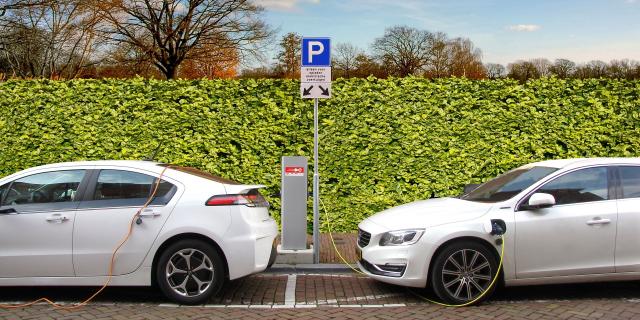
It may seem hard to believe now, but running an electric vehicle (EV) once cost next to nothing – with free public charging available everywhere and no tax to worry about. Oh, and you even got £5,000 back from the government. That was then, though. Now, things have changed. EVs were a niche around 15 years ago, but the arrival of the Nissan Leaf, Renault Zoe and Tesla Model S changed the scope of the car industry for good, including government targets.
The popularity of EVs means that central government has a lot of lost revenue to make up for. Lately, you may have seen headlines for new tax charges, adding to other costs such as astronomical public charging rates, and shocking depreciation of many electric models from brands’ line-ups.
This can all be quite tricky to understand, but we’re making it simple at Mustard. What are the true costs of running an electric car for a buyer right now? Given that the UK Zero Emission Vehicle Mandate requires 33% of new vehicles sold to be EVs in 2026, the general public are only going to pay more attention to them in the coming years. Keep on reading to see the full rundown.
How much does it cost to buy an electric car?
Seemingly not long ago, there was easily fewer than 10 EVs on offer which weren’t classed as quadricycles and had a top speed of more than about 7mph. Now though, the choice is immense; the range of new electric vehicles on offer is more-or-less the same as the petrol-powered counterparts nowadays. You can spend £15,000 on something entry level, like a Dacia Spring, but this comes with driving range, quality, and practicality compromises. Most affordable EVs start from around the £20,000 mark, and we’ve made a full list of the best examples here.
Up your budget to around £40,000 to £70,000, and you can find some larger and very competent family EVs in saloon, estate, and SUV form. Examples include the Mercedes-Benz CLA, Volkswagen ID.7 Tourer, and the new BMW iX3.
Stretching from there to above £100k, and you’re starting to browse some serious performance machines. Just like the combustion vehicle market, a premium price tag equates to a premium vehicle, and cars like the Porsche Taycan and Rolls Royce Spectre exemplify this.
One thing worth bearing in mind: depending on what the car is, it could be eligible for an electric car grant, provided by either the manufacturer or government. Grants of either £1,500 (Level 2) or £3,750 (Level 1) are available, depending on the vehicle.
The grants are based on sustainability criteria which determines how many emissions are produced during battery manufacturing and final vehicle assembly. So, the cleaner the vehicle is to produce, the larger grant it gets.
Comparing car insurance quotes before you buy can also make a noticeable difference to your overall EV running costs. Insurance premiums for electric cars can vary significantly depending on the model, battery value, repair costs and performance levels, so it’s worth comparing quotes in advance rather than after you’ve chosen a car. In many cases, a slightly cheaper EV to insure could save you money compared to a more premium alternative.
How much does it cost to charge an electric car?
This is a difficult cost to measure as it depends on so many variables. For example, it’s cheaper to charge an EV if you have access to home charging. If not, you will suffer the increased costs of public charging. Then, there’s energy providers offering different tariffs, which mean there is no fixed cost of an overnight charge for an EV.
Octopus Energy have a handy map guide to all public charging points across the UK, which can be viewed here.
Charging at home
Home charging is significantly cheaper than using public chargers, but comes at the compromise of a slower refill.
You can use a three-pin socket to charge an EV at home, but we thoroughly recommend that you have a charging point installed for the purpose. This adds an extra cost, as you can spend around £1,000 for installation.
In terms of charging costs, you can calculate it by taking the vehicle’s battery capacity in kilowatt-hours (kWh), and multiply it by your electric unit rate. Then, add on 10% of the capacity accounting for losses in charging to heat or battery cooling.
Once you have a figure, multiply that by the average mileage you’re getting per charge to get a cost per mile. This will differ between different cars as they have varying levels of driving range and efficiency. We’ve drummed up an example based on a Renault 5 and a rate from Intelligent Octopus Go, a popular EV tariff:
Renault 5 E-Tech battery capacity: 52kWh
+ 10%: 57.2kWh
Unit rate: 8p per kWh
Real-world range: approx 200 miles (average)
Night rate (between 23:30 to 05:30): 57.2kWh x £0.08 = £4.57 to charge from 0-100% (Night rate:)
Average cost per mile: 2.08p per mile
Day rate (between 05:30 to 23:30): 62kWh x £0.31 = £19.22
Average cost per mile: 8.06p per mile
The takeaway from this is: it’s far cheaper to charge at home – and especially during off-peak hours (so long as your tariff offers this), which is usually overnight.
Public charging
Public charging is more expensive and there’s no getting away from it. But with the increase in cost comes an increase in charging speed. While an average home charger can fill up a battery at a rate of 7kW, many public chargers can massively speed up the process with up to 200-350kWh units available.
In some cases, it’s even possible for a large battery to be filled from 10-80% in under 20 minutes, depending on the car. But how much does all this cost?
The RAC reports that, as of May 2026, the average cost of filling up a battery at a public charging point (per kWh) is the following:
- 73.63p for ‘Fast’ 8-49kW chargers.
- 82.10p for ‘Rapid’ 50-149kW chargers.
- 83.20p for ‘Ultra-rapid’ 150kW+ chargers.
Charging up the Renault 5 from 0-100% at these rates would equate to around £46.96 when hooked up to a mid-range rapid charger. The cost per mile, in this instance, would be around 23.37p.
How much does it cost to tax an electric car?
Tax changes have come into effect for EVs, and you can find the full rundown here consisting of every tax bracket and adjustment.
While EVs used to be free to tax, this isn’t the case anymore. First-year rates for zero-emission vehicles is now £10 and standard vehicle excise duty (VED) has increased to £200 per year, which applies to all cars manufactured after 2017. For those manufactured before March 2017, the annual rate is £20 per year.
Furthermore, a luxury car tax applies in the UK, known as the Expensive Car Supplement (ECS). For fully electric vehicles that cost £50,000 or more, an extra £440 is required on top of the £200 standard rate between the second and sixth years of the vehicle’s registration.
How much does it cost to service an electric car?
Our friends at Parkers ran an investigation on this and, according to Cap HPi, the average cost to service, maintain and repair an EV over the course of three years is £1,486, compared with £1,610 for petrol and £1,604 for diesel vehicles. This means a saving of around 8.5% on average, but things aren’t so straightforward.
Servicing alone comes in at around £311 on average, which is significantly less than the £598 for petrol vehicles. But the costs are offset in a number of areas; tyres for instance, cost an average of £915 for an EV compared to £614 for petrol cars, whereas brake components average at a little under £9 for EVs versus £135 for combustion-powered vehicles.
However, many independent garages aren’t fully equipped, trained or ready to take on work to EVs, which massively limits the availability of places you can take such a vehicle. This can restrict you to the main dealers, which have higher workshop labour costs and, usually, more expensive replacement parts. Until further training by garages nationwide is conducted, finding somewhere to service your EV isn’t as easy as a combustion-powered vehicle.
Other electric car costs
Further costs of running an electric car depend on the vehicle you’re running and the subsequent reliability of its components. A big fear among many is the cost of a battery replacement, which can often be scarily large (more than £10,000 for some). Thankfully, the necessity for a job like this is very rare and manufacturers will usually provide a long or extended warranty on major components like this.
Other costs incurred are the usual faults, such as those associated with brakes, suspension and infotainment components. This, of course, depends on car to car and is no different from the usual petrol or diesel vehicles.
Lastly, EVs have also been showing rather alarming rates of depreciation. This has forever been the case across the car industry, but concerns about long-term durability of the batteries and the lack of demand means that values of EVs have fallen fast in recent years. For instance, a 2020 Audi E-Tron SUV – once £70,000 new – can now be picked up from around £11,000 on the used market. Ouch.
Will an electric car save me money?
Only if you can charge at home cheaply. By getting a full battery range of 200-300+ miles for about a fiver, you’re easily saving cash compared to filling up the tank on a petrol vehicle to do the same amount of miles. And, with lower average servicing costs, you may well be saving some cash on annual maintenance, too.
However, the complexity around public charging and overall running costs can skew the cost effectiveness. Rates at rapid public chargers can sometimes equate to more money per mile than a petrol or diesel vehicle, which defeats the point if you’re looking to save. If you don’t have charging available at home, you won’t necessarily be seeing the benefit.
Insurance is another key factor when comparing the overall affordability of an electric car. While some EVs could cost more to insure due to higher repair costs and vehicle values, shopping around and comparing car insurance policies could help drivers offset some of those extra expenses. Compare in just minutes at mustard.co.uk.
*The figures and data in this article are correct as of 6 May 2026, please be aware that pricing and quotes may have changed since publication*